Structure
Things to Highlight in the Construction Industry Malaysia
Jan 14 2026
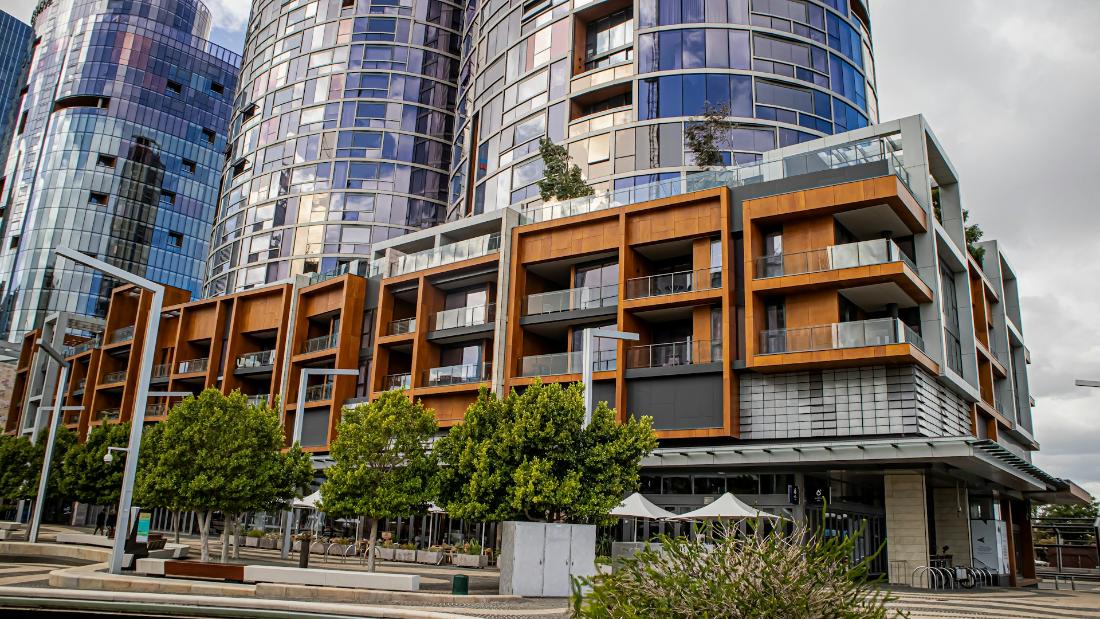
The construction site has long been the most visceral symbol of a nation's progress. In Malaysia, the rhythmic pounding of pile drivers and the silhouettes of cranes against the skyline have soundtracked decades of remarkable development. Yet, beneath the familiar dust and din, the industry is undergoing a profound and necessary transformation. The traditional models of building are being challenged, re-engineered, and infused with new priorities. Today, to highlight the construction industry in Malaysia is to tell a story not just of physical growth, but of technological adoption, environmental responsibility, and a fundamental shift in how we conceive the relationship between the built environment and the people who inhabit it. This new era is defined by a powerful convergence of innovation and imperative, shaping a future where buildings are smarter, greener, and built with greater precision and purpose than ever before.
Perhaps the most significant and welcome shift is the industry's earnest embrace of sustainability and green building principles. For years, sustainability was often viewed as a niche concern or a marketing add-on. Today, it has moved to the very core of project planning and execution. This is driven by a combination of global climate commitments, rising energy costs, and a growing demand from investors, tenants, and homeowners for healthier, more efficient spaces. The Green Building Index (GBI) and other certification systems are no longer just plaques in a lobby; they are rigorous frameworks guiding design. The focus now is on holistic performance: optimizing building orientation and using high-performance glazing to reduce solar heat gain, integrating renewable energy sources like Building-Integrated Photovoltaics (BIPV) into facades and roofs, and implementing sophisticated water management systems that harvest rainwater and recycle greywater. Beyond energy and water, the spotlight is on materials. There is a growing emphasis on sourcing sustainable timber, using recycled content in concrete and steel, and selecting low-VOC (volatile organic compound) paints and finishes to ensure superior indoor air quality. This green revolution means construction is no longer just about creating a structure, but about crafting a high-performance environmental system that minimizes its footprint across its entire lifecycle, from material extraction to eventual deconstruction.
This drive for efficiency and precision is being supercharged by the rapid adoption of Industrialised Building Systems (IBS) and cutting-edge digitalization. The image of construction as a chaotic, labour-intensive site activity is giving way to one of a streamlined, factory-like process. IBS, where building components like walls, columns, and bathroom pods are manufactured off-site in controlled environments, is gaining tremendous traction. The benefits are transformative: drastically improved quality control, a significant reduction in construction waste and on-site mess, faster project timelines as wet trades are minimized, and enhanced worker safety. Digitalization is the intelligent partner to this physical prefabrication. Building Information Modeling (BIM) has evolved from a 3D drawing tool into a rich, data-centric process. It creates a digital twin of the entire project, allowing architects, engineers, contractors, and facility managers to collaborate on a single, clash-free model. This prevents costly errors, enables precise quantity take-offs, and allows for advanced simulations of energy performance and structural behaviour. Furthermore, the use of drones for site surveying and progress monitoring, AI for project risk analysis, and Internet of Things (IoT) sensors for real-time monitoring of concrete curing or structural health is becoming commonplace. This digital thread, running from initial design through to facility management, is making construction more predictable, manageable, and efficient.
Perhaps the most significant and welcome shift is the industry's earnest embrace of sustainability and green building principles. For years, sustainability was often viewed as a niche concern or a marketing add-on. Today, it has moved to the very core of project planning and execution. This is driven by a combination of global climate commitments, rising energy costs, and a growing demand from investors, tenants, and homeowners for healthier, more efficient spaces. The Green Building Index (GBI) and other certification systems are no longer just plaques in a lobby; they are rigorous frameworks guiding design. The focus now is on holistic performance: optimizing building orientation and using high-performance glazing to reduce solar heat gain, integrating renewable energy sources like Building-Integrated Photovoltaics (BIPV) into facades and roofs, and implementing sophisticated water management systems that harvest rainwater and recycle greywater. Beyond energy and water, the spotlight is on materials. There is a growing emphasis on sourcing sustainable timber, using recycled content in concrete and steel, and selecting low-VOC (volatile organic compound) paints and finishes to ensure superior indoor air quality. This green revolution means construction is no longer just about creating a structure, but about crafting a high-performance environmental system that minimizes its footprint across its entire lifecycle, from material extraction to eventual deconstruction.
This drive for efficiency and precision is being supercharged by the rapid adoption of Industrialised Building Systems (IBS) and cutting-edge digitalization. The image of construction as a chaotic, labour-intensive site activity is giving way to one of a streamlined, factory-like process. IBS, where building components like walls, columns, and bathroom pods are manufactured off-site in controlled environments, is gaining tremendous traction. The benefits are transformative: drastically improved quality control, a significant reduction in construction waste and on-site mess, faster project timelines as wet trades are minimized, and enhanced worker safety. Digitalization is the intelligent partner to this physical prefabrication. Building Information Modeling (BIM) has evolved from a 3D drawing tool into a rich, data-centric process. It creates a digital twin of the entire project, allowing architects, engineers, contractors, and facility managers to collaborate on a single, clash-free model. This prevents costly errors, enables precise quantity take-offs, and allows for advanced simulations of energy performance and structural behaviour. Furthermore, the use of drones for site surveying and progress monitoring, AI for project risk analysis, and Internet of Things (IoT) sensors for real-time monitoring of concrete curing or structural health is becoming commonplace. This digital thread, running from initial design through to facility management, is making construction more predictable, manageable, and efficient.
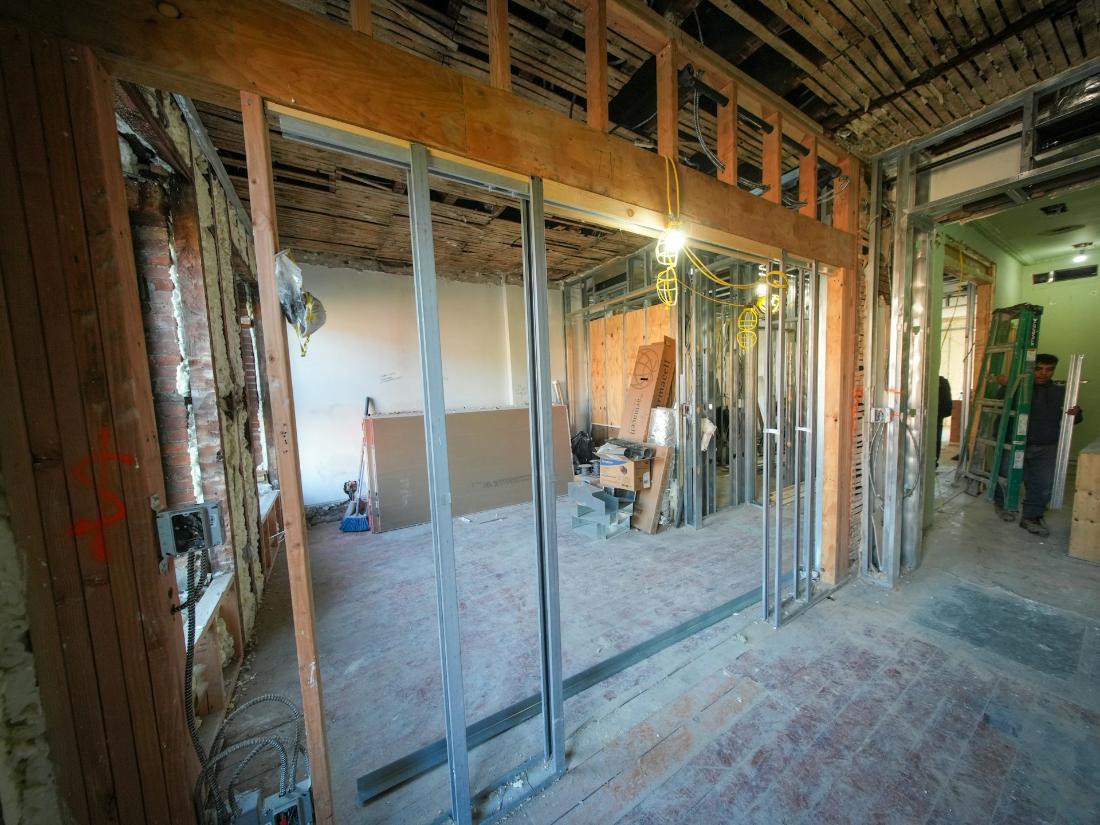
However, this technological leap forward exists in tension with one of the industry's most persistent and human challenges: the skilled labour shortage. The sector has long relied on a vast migrant workforce, but demographic shifts, changing aspirations among local youth, and international competition for talent have created a critical gap. This shortage is not just about numbers; it is about skills. The industry's future requires a new kind of worker—a "technician" rather than just a labourer. This individual needs to be proficient in reading BIM models, operating advanced CNC machinery in IBS factories, using laser-guided tools for installation, and managing robotic equipment on-site. Addressing this gap is a multi-front endeavour. It requires a rebranding of the industry to attract young Malaysians, showcasing it as a high-tech, innovative career path. It demands closer collaboration between industry and technical and vocational education and training (TVET) institutions to develop curricula that match modern needs. It also necessitates substantial investment in upskilling the existing workforce, transforming experienced hands into masters of new digital tools. The future resilience of Malaysian construction hinges on its ability to build not just with new materials, but with a new, highly skilled generation of builders.
The imperative for enhanced safety and robust quality assurance has also been pushed to the forefront, driven by a maturing regulatory environment and heightened public expectation. Tragic incidents in the past have led to a much sharper focus on creating a culture of safety that goes beyond mere compliance. This involves mandatory intensive safety induction programs, the widespread use of technology like wearables to monitor workers' vital signs and location in hazardous areas, and the implementation of strict protocols for working at height and in confined spaces. Quality assurance has similarly evolved from post-construction inspection to a process embedded throughout the project lifecycle. The adoption of the Quality Assessment System in Construction (QLASSIC) provides a standardized, points-based method to evaluate workmanship quality, offering a transparent benchmark for developers and assurance for buyers. This focus on "building it right the first time" not only ensures longevity and safety but also reduces costly rectification work and protects the reputation of all parties involved.
Looking at the project pipeline, several key sectors are highlighting the industry's direction and economic importance. The relentless drive for urban connectivity continues with mega-projects like the MRT3 Circle Line in Kuala Lumpur, which represents the next phase in creating a comprehensive, integrated public transport network. Large-scale infrastructure, such as the ongoing Pan Borneo Highway, highlights the industry's role in national integration and regional economic unlocking. In the property sector, the trend is towards mixed-use, transit-oriented developments (TODs) that create live-work-play communities, reducing reliance on cars. Furthermore, the government's focus on affordable housing remains a massive and socially critical segment, pushing contractors and developers to innovate in delivery models and cost-effective construction techniques to meet this urgent need. Each of these sectors presents its own set of challenges and opportunities, but collectively they demonstrate an industry that is central to achieving national economic and social goals.
The imperative for enhanced safety and robust quality assurance has also been pushed to the forefront, driven by a maturing regulatory environment and heightened public expectation. Tragic incidents in the past have led to a much sharper focus on creating a culture of safety that goes beyond mere compliance. This involves mandatory intensive safety induction programs, the widespread use of technology like wearables to monitor workers' vital signs and location in hazardous areas, and the implementation of strict protocols for working at height and in confined spaces. Quality assurance has similarly evolved from post-construction inspection to a process embedded throughout the project lifecycle. The adoption of the Quality Assessment System in Construction (QLASSIC) provides a standardized, points-based method to evaluate workmanship quality, offering a transparent benchmark for developers and assurance for buyers. This focus on "building it right the first time" not only ensures longevity and safety but also reduces costly rectification work and protects the reputation of all parties involved.
Looking at the project pipeline, several key sectors are highlighting the industry's direction and economic importance. The relentless drive for urban connectivity continues with mega-projects like the MRT3 Circle Line in Kuala Lumpur, which represents the next phase in creating a comprehensive, integrated public transport network. Large-scale infrastructure, such as the ongoing Pan Borneo Highway, highlights the industry's role in national integration and regional economic unlocking. In the property sector, the trend is towards mixed-use, transit-oriented developments (TODs) that create live-work-play communities, reducing reliance on cars. Furthermore, the government's focus on affordable housing remains a massive and socially critical segment, pushing contractors and developers to innovate in delivery models and cost-effective construction techniques to meet this urgent need. Each of these sectors presents its own set of challenges and opportunities, but collectively they demonstrate an industry that is central to achieving national economic and social goals.
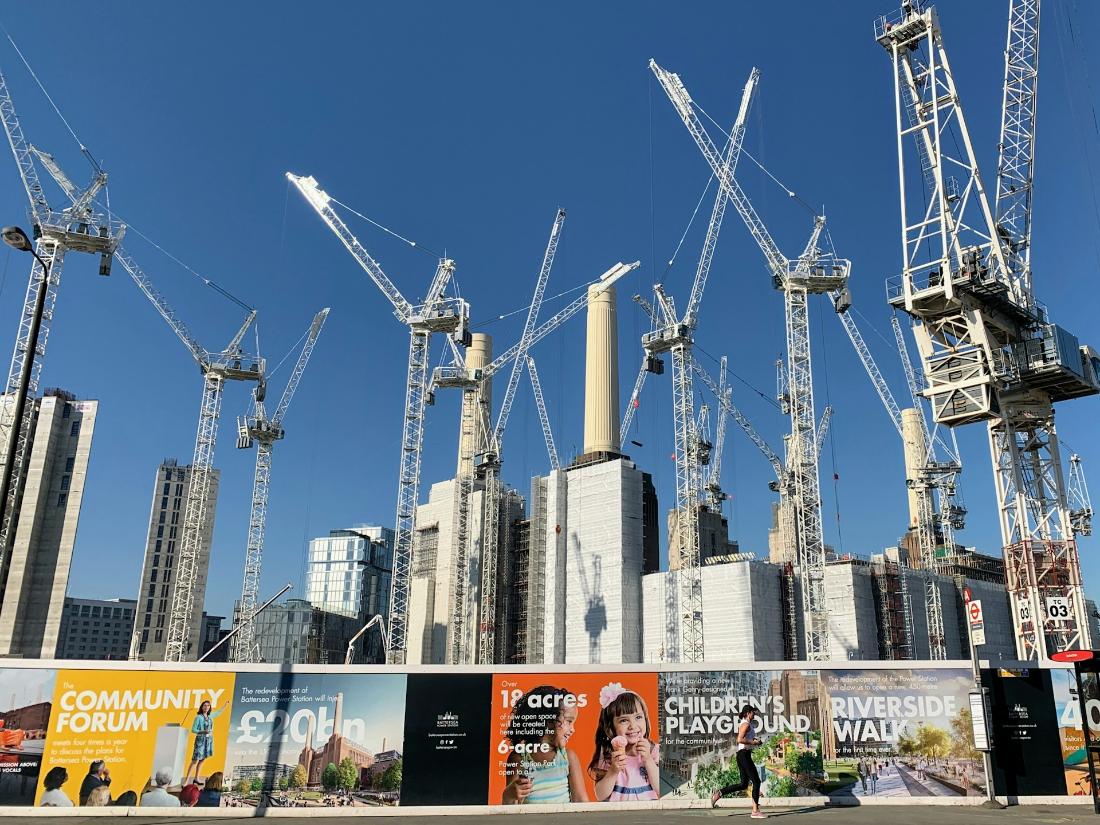
Amidst these large-scale trends, the rise of specialized niche services is a noteworthy highlight, reflecting a market that is maturing and diversifying. The success of modern, complex projects often depends on a web of experts. This has spurred growth in specialist fields such as advanced facade engineering for iconic buildings, dedicated building commissioning agents who ensure all M&E systems operate as designed, specialist contractors for sustainable technology installation, and professional project management firms that navigate the increasing complexity of development. This specialization signifies an industry moving away from a one-size-fits-all approach to one that values deep, focused expertise, resulting in higher quality outcomes and more sophisticated built assets.
Ultimately, the narrative of the Malaysian construction industry today is one of navigating a compelling, if challenging, transition. It is an industry caught between the proven methods of the past and the imperative to build a smarter, more sustainable future. The highlights are clear: a powerful green ethos, a digital and industrial revolution in methodology, and a critical focus on human capital and safety. The path forward requires continued collaboration between government, industry players, and educational institutions. It demands policies that incentivize innovation and sustainability, investment in research and development, and a committed effort to reshape the industry's image and skills base. The buildings of tomorrow—more efficient, more resilient, and more thoughtfully integrated into their environment—will be the testament to how well this transition is managed. The construction site may look similar from a distance, but within it, a quiet revolution is building the foundation for Malaysia's next chapter.
Ultimately, the narrative of the Malaysian construction industry today is one of navigating a compelling, if challenging, transition. It is an industry caught between the proven methods of the past and the imperative to build a smarter, more sustainable future. The highlights are clear: a powerful green ethos, a digital and industrial revolution in methodology, and a critical focus on human capital and safety. The path forward requires continued collaboration between government, industry players, and educational institutions. It demands policies that incentivize innovation and sustainability, investment in research and development, and a committed effort to reshape the industry's image and skills base. The buildings of tomorrow—more efficient, more resilient, and more thoughtfully integrated into their environment—will be the testament to how well this transition is managed. The construction site may look similar from a distance, but within it, a quiet revolution is building the foundation for Malaysia's next chapter.